






- Navigation -
 Current Location:
NEWS DETAILS
NEWS INFORMATION
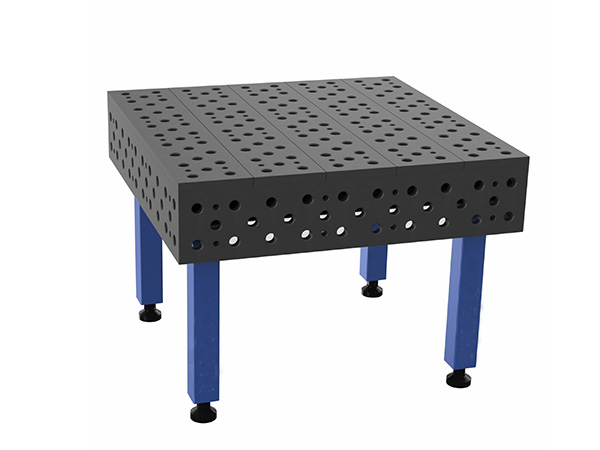
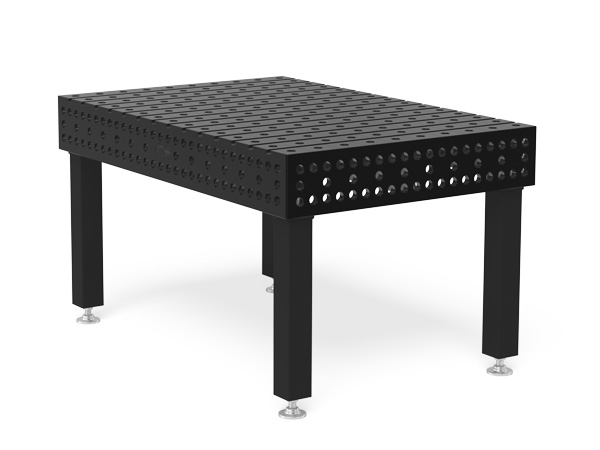
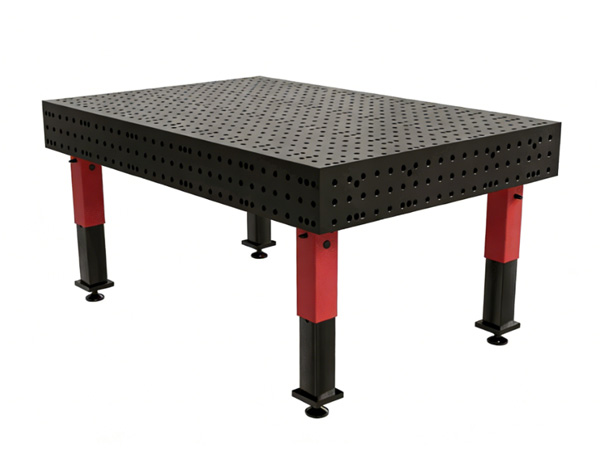
The Role of Heavy Duty Steel Welding Tables in Modern Fabrication Shops
AUTHOR:yongxin DATE:2026-04-18 16:23:26 HITS:167
Choosing the appropriate industrial pipeline tee fitting is crucial to guaranteeing safety, operational efficiency, and long-term dependability in any piping system. Whether your project involves oil and gas, chemical processing, water treatment, or power generation, selecting the right tee fitting is essential for controlling flow distribution while preserving system integrity under harsh operating conditions. This guide outlines the core factors you need to take into account when picking the ideal pipeline tee fitting for your specific project needs.
1. Clarify the Function of the Tee Fitting
A pipeline tee fitting is a three-way pipe connector designed to link three pipe sections, enabling fluid to either split into separate paths or merge into a single flow within a system. Its common applications include:
Splitting the flow from a main pipeline into two distinct directions
Combining two independent fluid flows into one main pipeline
Redirecting fluid flow within complex pipeline networks
Prior to selecting a tee fitting, it is imperative to clearly define its role in your overall system design. Different application scenarios may demand varying levels of structural strength and connection types—for instance, TB-type tee fittings are preferred for high-pressure, high-temperature industrial environments due to their enhanced robustness.
2. Determine the Type of Tee Fitting
There are multiple types of industrial tee fittings, and selecting the correct one is vital to system performance. Common types include:
Equal Tee (Straight Tee)
All three outlets feature the same diameter, making it suitable for scenarios where fluid flow needs to be evenly distributed across two branches.
Reducing Tee
One of the outlets has a smaller diameter than the other two, which is ideal when the flow needs to be split into paths of different sizes to meet varying pipeline requirements.
Butt-Weld Tee
Engineered for welding connections, this type is well-suited for high-pressure and high-temperature systems—such as those using TB-type tee fittings in industrial settings—due to its strong sealing and structural stability.
Socket-Weld / Threaded Tee
Primarily used in small-diameter pipelines or low-pressure systems, these fittings offer easier installation and maintenance compared to welded types, though they are less suitable for demanding industrial conditions. The selection of the right tee type depends on factors such as system pressure, pipe size, and the intended installation method.
3. Select Appropriate Materials
Material selection has a direct impact on the tee fitting’s performance, corrosion resistance, and service life. Common materials for industrial tee fittings include:
Carbon Steel
Boasting high strength and durability, carbon steel is widely used in oil, gas, and general industrial systems. However, it requires surface treatment (such as pickling or galvanizing) to enhance corrosion protection, especially in harsh environments.
Stainless Steel
Known for its excellent corrosion resistance, stainless steel is ideal for chemical processing, marine engineering, and food-grade applications. While it has a higher initial cost, its long lifespan makes it a cost-effective choice in the long run.
Alloy Steel
Designed to withstand extreme pressure and temperature conditions, alloy steel is commonly used in power plants and heavy industrial settings where standard materials may fail to perform. It is essential to match the fitting material with the type of fluid being conveyed and the operating environment to ensure optimal performance.
4. Take Pressure and Temperature Ratings into Account
Every industrial pipeline system operates under specific pressure and temperature parameters. Choosing a tee fitting with inadequate ratings can result in system failure, safety risks, or premature wear. Key points to verify include:
Maximum working pressure (measured in PSI or bar)
Operating temperature range
Pressure class (e.g., SCH10, SCH40, SCH80, or higher)
For high-pressure systems—such as those using TB-type tee fittings—forged or butt-weld tee fittings are generally recommended due to their superior structural strength.
5. Verify Industry Standards and Certifications
Reliable industrial tee fittings should comply with international industry standards to ensure quality and safety. Common standards include:
ASTM (American Society for Testing and Materials)
ASME (American Society of Mechanical Engineers)
DIN (German Institute for Standardization)
ISO standards
Compliance with these standards guarantees product quality, interchangeability, and compatibility in global industrial projects.
6. Evaluate the Connection Type
The connection method of the tee fitting affects both installation complexity and long-term maintenance requirements. Common connection types include:
Butt-weld connection: The strongest and most leak-resistant option, making it ideal for critical industrial systems (e.g., TB-type tee fittings in oil and gas pipelines).
Socket-weld connection: Easier to install than butt-weld, suitable for small-diameter pipes and systems with moderate pressure requirements.
Threaded connection: Convenient for maintenance and disassembly but less suitable for high-pressure applications due to potential leakage risks.
The choice of connection type should be based on the system’s operational requirements and maintenance needs.
7. Assess Fluid Characteristics
Different fluids require specific material and design considerations to prevent damage and ensure system stability. Key examples include:
Corrosive chemicals: Require stainless steel or alloy steel fittings to resist chemical damage.
High-temperature steam: Demands heat-resistant alloy fittings to withstand extreme temperatures.
Oil and gas: Carbon steel or forged steel fittings are preferred for their strength and durability.
Clean water systems: Standard carbon or stainless steel fittings are sufficient for most applications.
Understanding the properties of the fluid being conveyed helps prevent corrosion, erosion, and contamination of the pipeline system.
8. Consider Manufacturer Quality and Production Processes
The quality of a tee fitting is heavily dependent on the manufacturer’s production standards and quality control measures. A reliable supplier should provide:
Strict control over raw material quality to ensure consistency and performance.
Advanced forging or welding processes (e.g., die forging for TB-type tees) to enhance structural integrity.
Non-destructive testing (NDT) to detect internal defects and ensure product reliability.
Dimensional inspection and quality certification to meet industry standards.
High-quality manufacturing reduces the risk of leakage, cracking, or premature failure of the tee fitting, ensuring long-term system stability.
Conclusion
Selecting the right industrial pipeline tee fitting requires careful evaluation of its type, material, pressure and temperature ratings, connection method, and the specific application environment. A well-chosen tee fitting not only improves system efficiency but also ensures long-term operational safety and reduces maintenance costs over time. For industrial projects—especially those involving demanding conditions where TB-type tee fittings are commonly used—it is crucial to prioritize certified materials and reliable manufacturing sources. This guarantees stable performance and minimizes the risk of system failures under harsh operating conditions.
References
GB/T 7714:Experimental Study on Z-direction Performance of Thick Steel Plate Welding Joints for Construction Structures. Journal of Materials Processing Technology
MLA:Design and Optimization of Heavy-Duty Welding Worktable for Cylindrical Intersection Line Welding Machine. International Journal of Advanced Manufacturing Technology
APA:Heavy-Duty Steel Welding Tables: Enhancing Precision and Efficiency in Modern Fabrication. Welding Journal
-
Modular Fixture System for Welding Automation Efficiency
-
3D Flexible Welding Platform Advantages in Fabrication
-
Welding Bench Setup Guide for Workshop Efficiency
-
Steel vs Aluminum Welding Tables: Frame System Comparison
-
Welding Fixture Table Setup Guide for Better Accuracy
-
Why Steel Welding Tables Dominate Industrial Workshops
Hebei Yongxin Measuring Tools
Copyright © 2025-2026 http://www.yx-weldingtable.com. All Rights Reserved Hebei Yongxin Measuring ToolsCopyright