






- Navigation -
 Current Location:
NEWS DETAILS
NEWS INFORMATION
How to Choose the Right Welding Table for Fabrication Shops
AUTHOR:yongxin DATE:2026-05-22 11:52:21 HITS:82
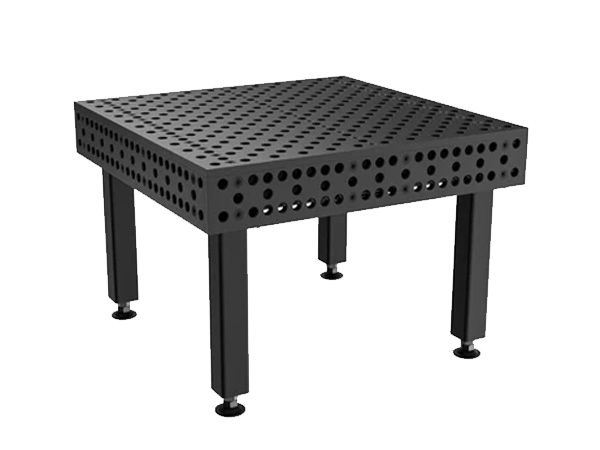
Assessing Fabrication Shop Production Requirements
Accurate production requirement assessment provides the foundation for Welding Table selection decisions that deliver appropriate capability without over-specification costs. Evaluate current production volume, workpiece size ranges, weight classifications, and dimensional tolerance requirements to establish baseline specifications that guide Welding Table evaluation. Consider both immediate needs and anticipated growth when establishing requirements to ensure selected Welding Table equipment serves operational needs throughout its service life.
Production mix analysis reveals Welding Table configuration requirements that single-purpose equipment cannot satisfy in multi-product fabrication environments. High-mix operations benefit from versatile Welding Table configurations with comprehensive fixturing capabilities, while dedicated high-volume production may justify purpose-configured Welding Table installations optimized for specific product families.
Surface Flatness Specifications and Tolerance Requirements
Surface flatness specifications directly determine Welding Table suitability for dimensional accuracy requirements in your fabrication applications. Precision aerospace or automotive fabrication demands Welding Table surfaces maintaining flatness within 0.005 inches, while heavy structural fabrication may tolerate significantly looser tolerances. Specify Welding Table flatness that matches actual application requirements without unnecessary expense for precision beyond your needs.
Repeatability verification methods employed by Welding Table manufacturers affect confidence in stated specifications. Request flatness verification documentation and understand the measurement methods used to confirm specifications. Premium Welding Table manufacturers provide comprehensive flatness documentation that supports quality assurance requirements in regulated industries.
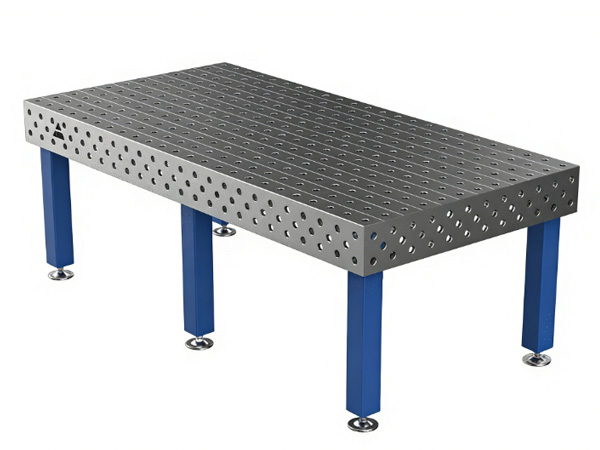
Dimensions and Working Envelope Considerations
Working envelope requirements for Welding Table selection must accommodate your largest intended workpieces while maintaining adequate grid pattern coverage for effective fixturing. Table dimensions should exceed maximum workpiece footprints by sufficient margins to position clamps and stops without encroaching on workpiece clearance requirements. Undersized Welding Table surfaces compromise fixturing flexibility and limit workpiece access for welding operations.
Clearance requirements for material handling equipment, operator access, and downstream processing affect Welding Table positioning within facility layouts. Evaluate traffic patterns, crane or hoist reach, and workstation configurations when determining appropriate Welding Table dimensions and quantities for your fabrication environment.
Weight Capacity and Structural Requirements
Load capacity specifications for Welding Table selection must accommodate combined workpiece, fixturing, and operator loads that exceed simple workpiece weight calculations. Structural steel frame design, leg construction, and reinforcement details all contribute to Welding Table load-bearing capability. Specify Welding Table equipment with documented load ratings that exceed your maximum combined load requirements with appropriate safety margins.
Floor structural considerations affect Welding Table installation requirements, particularly for heavy equipment in upper-floor or elevated installations. Evaluate floor load capacity relative to Welding Table weights plus expected loadings to ensure safe installation without structural reinforcement requirements that add project costs.
Grid Pattern and Fixturing System Compatibility
Grid pattern standardization affects Welding Table fixturing flexibility and accessory availability from different manufacturers. Common grid spacing standards (typically 1" or 2") determine compatibility with modular fixturing systems from various suppliers. Verify Welding Table grid pattern compatibility with your existing fixturing inventory and intended accessory purchases to ensure ecosystem coherence.
Fixturing investment protection through Welding Table standardization enables existing clamping systems, stops, and positioning aids to serve new equipment investments. Select Welding Table systems that accept current fixturing investments to maximize value from previous equipment purchases while enabling gradual system expansion.
Material and Construction Quality Assessment
Construction material quality directly affects Welding Table durability, accuracy retention, and service life that determine long-term equipment value. Steel plate quality, weld integrity, and surface preparation all influence Welding Table performance characteristics. Request material certifications and quality documentation that verify construction quality claims from Welding Table manufacturers.
Surface treatment and finish quality affect Welding Table resistance to corrosion, spatter adhesion, and wear that compromise long-term accuracy. Quality Welding Table surfaces resist welding damage that degrades flatness and appearance, maintaining professional presentation throughout service life.
Grounding System Integration and Safety Features
Integrated grounding system quality determines Welding Table electrical safety performance and regulatory compliance in professional welding applications. Verify grounding resistance specifications, connection quality, and documentation that supports safety audit requirements. Premium Welding Table manufacturers provide grounding verification documentation that simplifies compliance demonstration.
Additional safety features including fire-resistant surfaces, integrated ventilation ports, and ergonomic design elements add value beyond basic functionality. Evaluate Welding Table safety features relative to your operational risks and regulatory environment to ensure selected equipment addresses relevant hazard categories.
Budget Optimization and Total Cost of Ownership Analysis
Total cost of ownership analysis for Welding Table selection considers acquisition costs, installation expenses, operational impacts, and eventual replacement costs that affect actual investment value. Quality Welding Table equipment with higher acquisition costs often delivers superior value through extended service life, retained accuracy, and reduced maintenance requirements that lower life-cycle costs.
Financing and lease options from Welding Table manufacturers and equipment finance companies affect cash flow management for capital equipment acquisitions. Evaluate total cost including financing charges when comparing purchase alternatives to ensure accurate cost comparison across payment structures.
Supplier Evaluation and Support Capability Assessment
Supplier capability assessment for Welding Table acquisitions should extend beyond product specifications to evaluate service support, delivery capability, and long-term relationship viability. Quality Welding Table suppliers provide application engineering support, installation services, and ongoing technical assistance that enhance equipment value beyond initial purchase.
Warranty terms, spare parts availability, and service network coverage affect Welding Table long-term support capability and operational availability. Select Welding Table suppliers who demonstrate commitment to customer success through comprehensive support infrastructure that protects your equipment investment throughout its service life.
Making Final Welding Table Selection Decisions
Final Welding Table selection should balance technical capability, cost considerations, and strategic factors that affect long-term operational success. Document selection criteria weights, evaluate options against those criteria systematically, and verify that selected equipment meets or exceeds all critical requirements. Quality Welding Table equipment represents substantial capital investment that deserves thorough evaluation before commitment.
Remember that your Welding Table selection shapes daily operational capabilities that affect quality, productivity, and safety outcomes throughout its service life. Invest the time necessary to evaluate options thoroughly, consult with experienced suppliers, and prioritize long-term value over initial cost minimization. Your strategic Welding Table decision supports operational excellence and business success for years to come.
References
American Welding Society. (2021). AWS D14.1/D14.1M:2021 - Specification for fabrication of miscellaneous steel for building construction. AWS Publications.
Society of Manufacturing Engineers. (2020). SME welding equipment selection guidelines. SME Technical Publications.
Occupational Safety and Health Administration. (2020). OSHA 1910 Subpart Q - Welding, cutting, and brazing requirements. U.S. Department of Labor.
American National Standards Institute. (2018). ANSI/AWS F1.3:2018 - Ventilation guide for welding and cutting. AWS Standards Development.
International Institute of Welding. (2021). IIW guidelines for welding fabrication quality assurance. IIW Technical Reports.
-
Modular Fixture System for Welding Automation Efficiency
-
3D Flexible Welding Platform Advantages in Fabrication
-
Welding Bench Setup Guide for Workshop Efficiency
-
Steel vs Aluminum Welding Tables: Frame System Comparison
-
Welding Fixture Table Setup Guide for Better Accuracy
-
Why Steel Welding Tables Dominate Industrial Workshops
Hebei Yongxin Measuring Tools
Copyright © 2025-2026 http://www.yx-weldingtable.com. All Rights Reserved Hebei Yongxin Measuring ToolsCopyright