






- Navigation -
 Current Location:
NEWS DETAILS
NEWS INFORMATION
Complete Guide to Cast Iron Welding Platforms: Benefits, Features & Applications
AUTHOR:yongxin DATE:2026-02-27 15:21:56 HITS:0
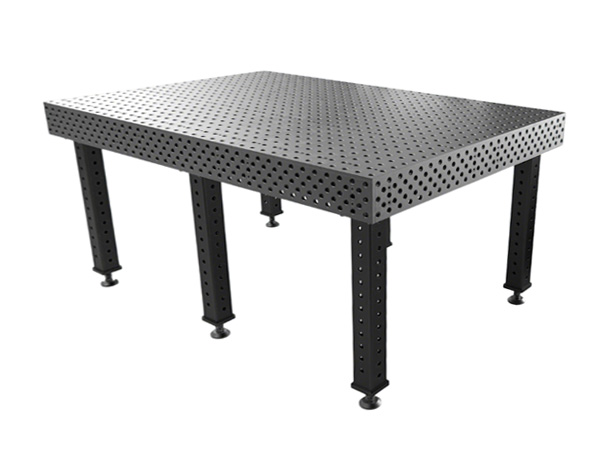
In the world of welding and metal fabrication, precision, stability, and durability are non-negotiable. A cast iron welding platform stands out as an indispensable tool for professionals, offering a reliable foundation that elevates welding quality, enhances workflow efficiency, and ensures long-term value. Whether you’re working in automotive manufacturing, heavy equipment assembly, or custom metal fabrication, understanding the benefits, key features, and diverse applications of cast iron welding platforms is critical to making informed decisions for your workshop. This comprehensive guide breaks down everything you need to know about these essential industrial tools.
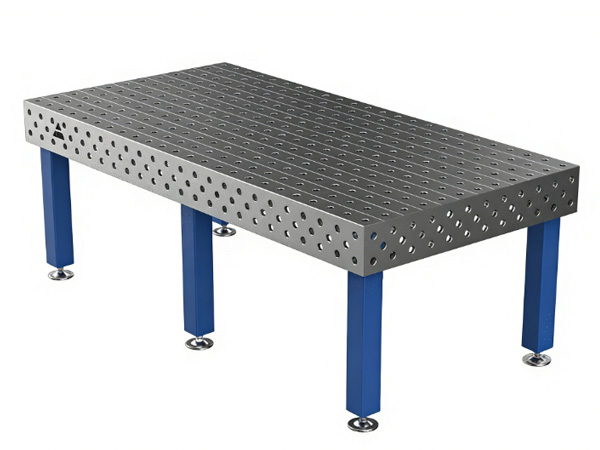
What Are Cast Iron Welding Platforms?
Cast iron welding platforms—also known as cast iron welding tables or welding plates—are specialized work surfaces designed to provide a stable, flat, and heat-resistant base for welding, assembly, inspection, and marking operations. Crafted from high-quality cast iron (typically HT200-HT300 grade), these platforms undergo rigorous manufacturing processes, including heat treatment and precision machining, to eliminate internal stress and ensure consistent performance even under harsh welding conditions. Unlike steel tables, cast iron platforms leverage the unique properties of cast iron to deliver unmatched stability, vibration dampening, and resistance to thermal deformation.
Essential Features of Cast Iron Welding Platforms
The performance of a cast iron welding platform is defined by its key features, which are engineered to support precise, efficient, and safe welding operations. Here are the must-have features to look for:
1. High-Quality Cast Iron Material
Top-tier platforms are made from HT200-HT300 grey cast iron, which offers an ideal balance of hardness (HB 170-240), strength, and vibration dampening properties. This material ensures the platform can withstand heavy loads, resist wear, and maintain stability in high-heat environments.
2. Precision Machined Work Surface
The work surface is the heart of the platform, and it must be precision-machined to meet strict flatness standards. High-quality platforms undergo CNC gantry milling, grinding, and manual scraping to achieve a smooth, uniform surface that eliminates gaps between the workpiece and the platform—critical for accurate welding and marking. Some platforms also feature grid lines (50×50mm, 75×75mm, or 100×100mm) for easy workpiece alignment.
3. Stress-Relieved Construction
To prevent warping and ensure long-term precision, cast iron welding platforms undergo stress-relief treatments. This process eliminates internal stresses caused during casting, ensuring the platform remains flat and stable even after years of heavy use. Common stress-relief methods include artificial annealing and natural aging.
4. T-Slots & Fixturing Options
Most cast iron welding platforms feature T-slots (12-40mm width options) on the work surface, which allow for easy attachment of clamps, vises, and other fixturing tools. This enables secure clamping of workpieces of various shapes and sizes, preventing movement during welding. Some platforms also include threaded holes, circular holes, or thread withdrawal holes to further enhance fixturing flexibility.
5. Customizable Sizes & Configurations
Every workshop has unique needs, so cast iron welding platforms are available in a wide range of standard sizes (e.g., 1000mm×1000mm, 1500mm×3000mm) and can be fully customized to match specific requirements. Customizations include size, thickness, T-slot layout, hole spacing, and surface finish.
Applications of Cast Iron Welding Platforms
Cast iron welding platforms are versatile tools used across numerous industries, where precision, stability, and durability are essential. Below are their most common applications:
1. Automotive Manufacturing
In automotive production, cast iron welding platforms are used for welding and assembling body components, engine parts, and chassis. Their high precision ensures that components align perfectly, improving the overall quality and safety of the vehicle. 3D flexible cast iron platforms are particularly useful for adapting to different vehicle models, enabling efficient mass production.
2. Heavy Equipment & Machinery
Heavy equipment manufacturers rely on cast iron welding platforms to weld large, heavy components such as excavator arms, bulldozer frames, and industrial machinery bases. The platform’s high load-bearing capacity and stability ensure that these large workpieces remain secure during welding, preventing misalignment and weld defects.
3. Shipbuilding
Shipbuilding requires welding of large, thick metal plates and structural components. Cast iron welding platforms provide a stable, flat base that can support the weight of these massive workpieces, ensuring precise welding and structural integrity. Their resistance to thermal deformation is critical in the high-heat environment of shipyard welding.
4. Aerospace & Precision Engineering
In aerospace manufacturing, where precision is critical, cast iron welding platforms (often 0 or 1 grade) are used for welding small, intricate components such as aircraft engine parts and structural elements. Their high flatness and stability ensure that welds meet strict industry standards, reducing the risk of component failure.
5. Electronic Manufacturing
Electronic manufacturing requires a stable, vibration-free surface to prevent damage to sensitive electronic components during welding. Cast iron welding platforms provide the necessary stability and precision, ensuring that delicate components are not damaged by vibration or misalignment during the welding process.
6. Custom Metal Fabrication & Artistic Welding
For custom fabricators and metal artists, cast iron welding platforms offer the versatility to work on a wide range of projects—from simple brackets to intricate metal sculptures. The platform’s fixturing options and precision allow for creative freedom while ensuring consistent, high-quality results.
7. Inspection & Calibration
Beyond welding, cast iron platforms are also used as precision reference surfaces for inspecting and calibrating tools, measuring equipment, and workpieces. Their high flatness and accuracy make them ideal for verifying the dimensions and alignment of machined parts, ensuring compliance with quality standards.
How to Choose the Right Cast Iron Welding Platform
Selecting the right cast iron welding platform depends on your specific needs. Consider the following factors:
·Workpiece Size & Weight: Choose a platform size and load-bearing capacity that can accommodate your largest workpieces. Ensure the platform’s weight is sufficient to provide stability (heavier platforms offer better vibration dampening).
·Precision Requirements: Select a precision grade (0, 1, 2, 3) based on your application. Critical welding tasks require higher grades (0 or 1), while general fabrication can use grade 3.
·Fixturing Needs: Look for T-slots, threaded holes, or other fixturing features that match your clamping tools and workpiece shapes.
·Customization: If standard sizes don’t meet your needs, choose a manufacturer that offers customizations for size, thickness, and surface features.
Conclusion
A cast iron welding platform is more than just a work surface—it’s an investment in precision, efficiency, and durability. Its unique benefits, including unmatched stability, heat resistance, and long lifespan, make it an essential tool for professional welders and fabricators across industries. By understanding its key features and applications, you can choose the right platform to elevate your welding quality, streamline your workflow, and achieve consistent, reliable results. Whether you’re in automotive manufacturing, heavy equipment, or custom fabrication, a high-quality cast iron welding platform is the foundation of successful welding operations.
References
GB/T 7714: Design and Performance Optimization of Cast Iron Welding Platforms. Journal of Materials Processing Technology
MLA:Thermal Stability Analysis of HT200 Cast Iron Welding Tables Under High-Temperature Welding Conditions. Materials Science and Engineering A
APA:Precision Machining Technology for Cast Iron Welding Platforms: A Review. International Journal of Advanced Manufacturing Technology
-
Modular Fixture System for Welding Automation Efficiency
-
3D Flexible Welding Platform Advantages in Fabrication
-
Welding Bench Setup Guide for Workshop Efficiency
-
Steel vs Aluminum Welding Tables: Frame System Comparison
-
Welding Fixture Table Setup Guide for Better Accuracy
-
Why Steel Welding Tables Dominate Industrial Workshops
Hebei Yongxin Measuring Tools
Copyright © 2025-2026 http://www.yx-weldingtable.com. All Rights Reserved Hebei Yongxin Measuring ToolsCopyright